Dense. Chemical-resistant. Built for hard use.
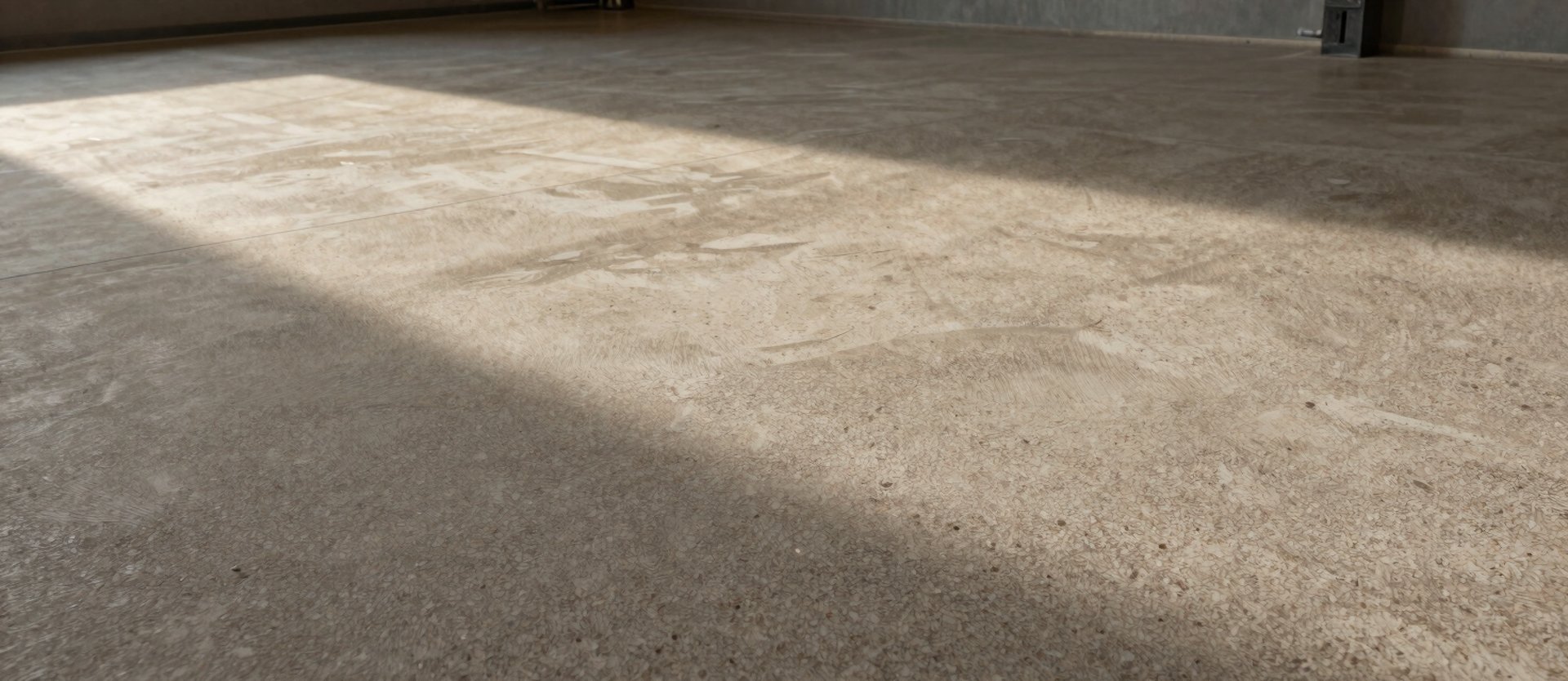
Quartz aggregate does what a plain coat cannot — it adds structural mass to the finish, giving you real resistance where conditions are unforgiving.
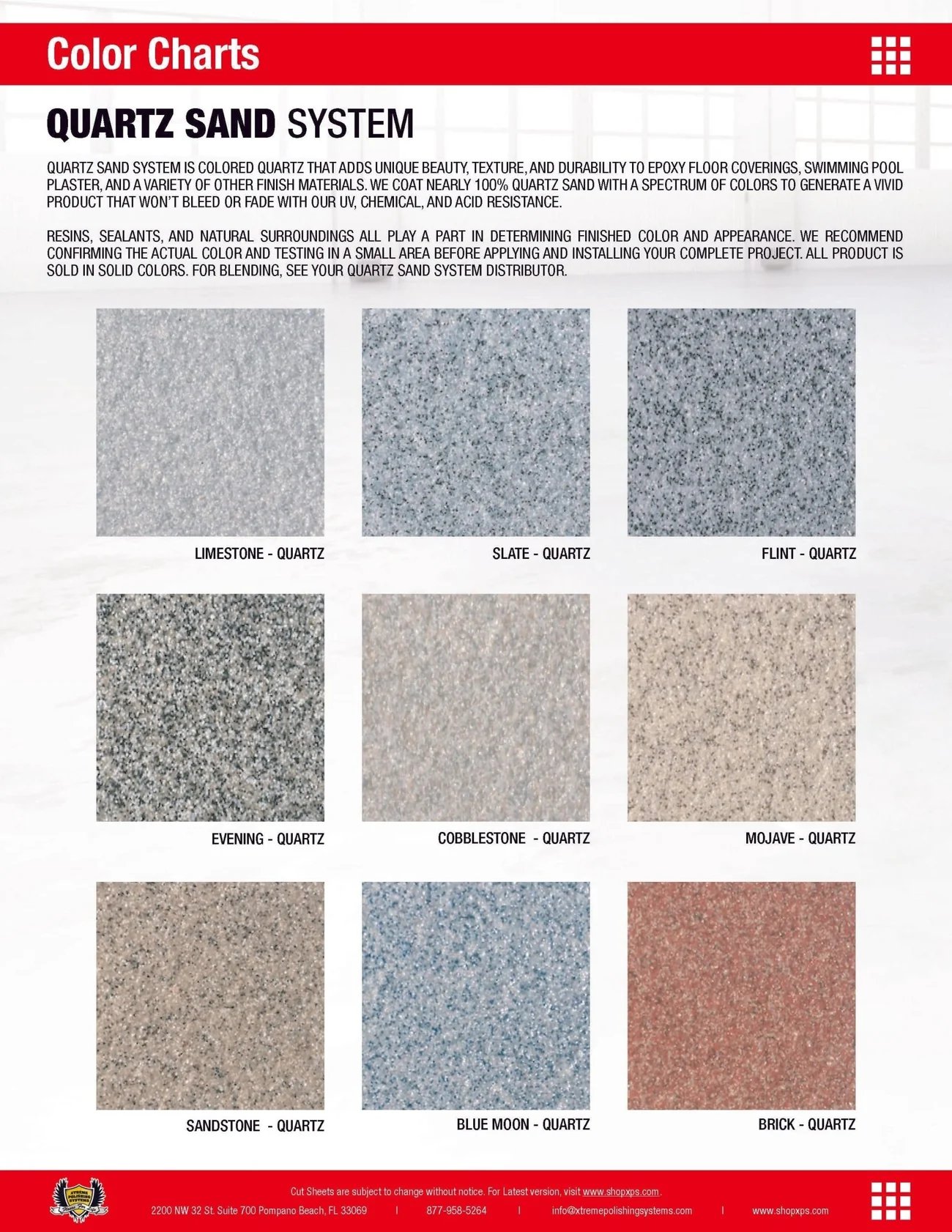
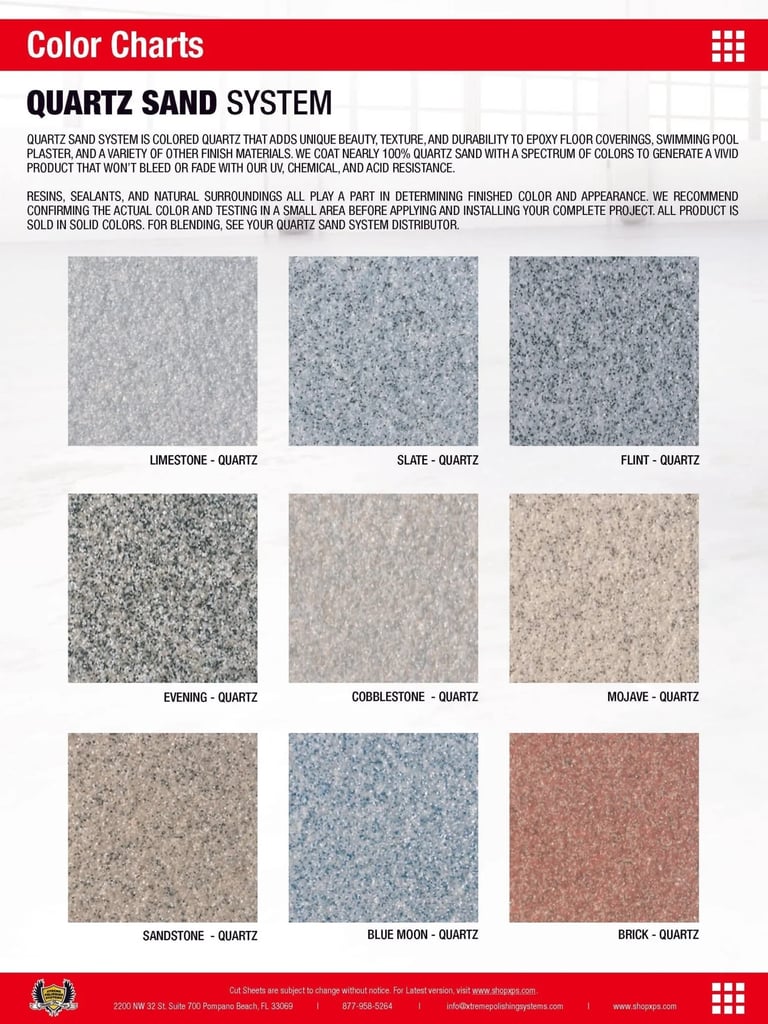
Aggregate density changes the equation
Broadcast quartz is broadcast into the wet epoxy layer, not painted over it. The result is a surface with mass — one that resists abrasion, chemical splash, and standing moisture without losing bond.
The substrate is addressed first. Every quartz system Glosstek installs begins with moisture vapor barrier work — because a floor that looks right on day one but delaminates at month six is a failure, not a finish.
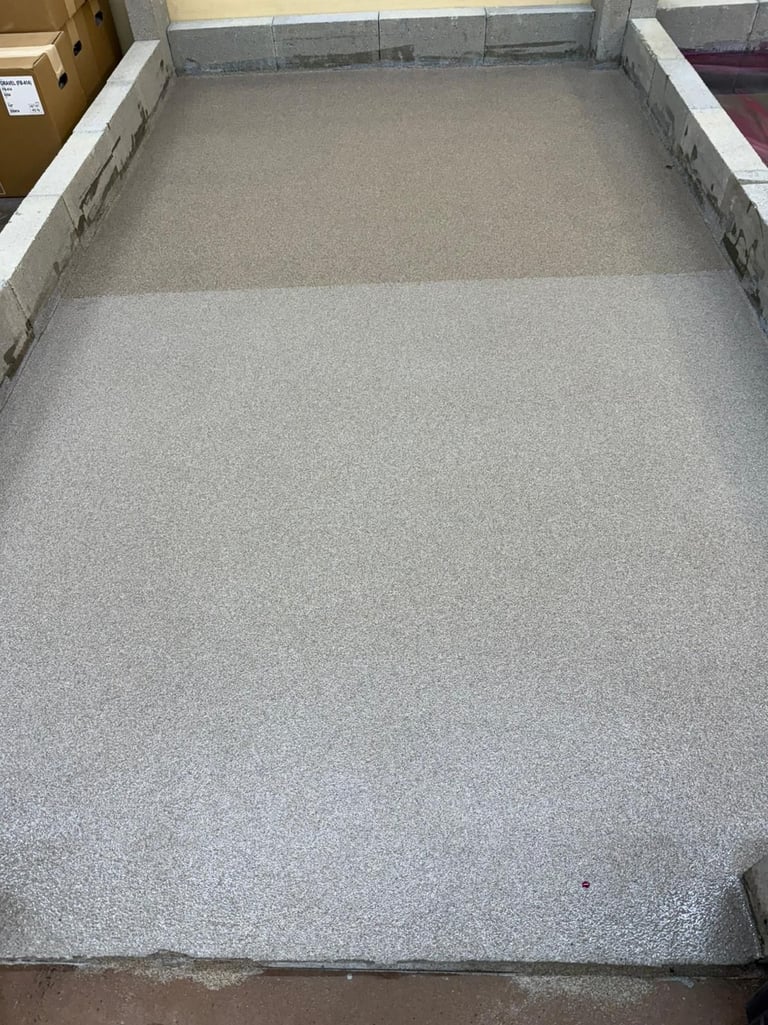
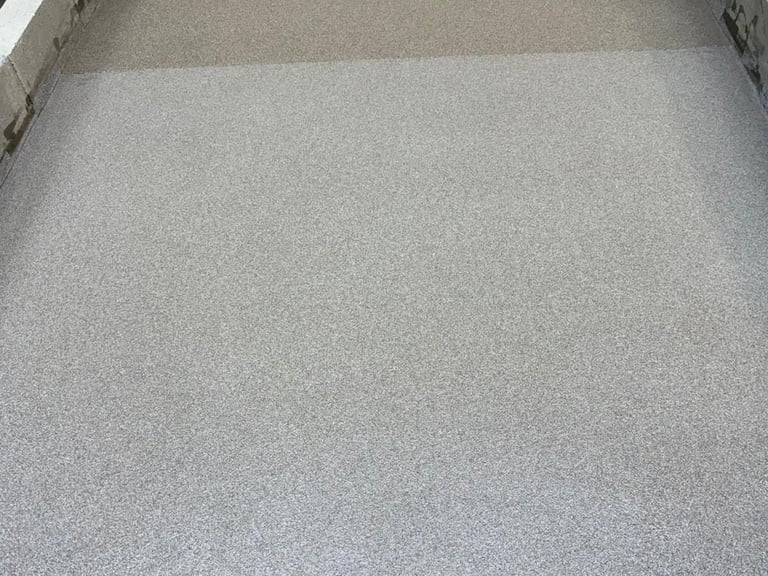
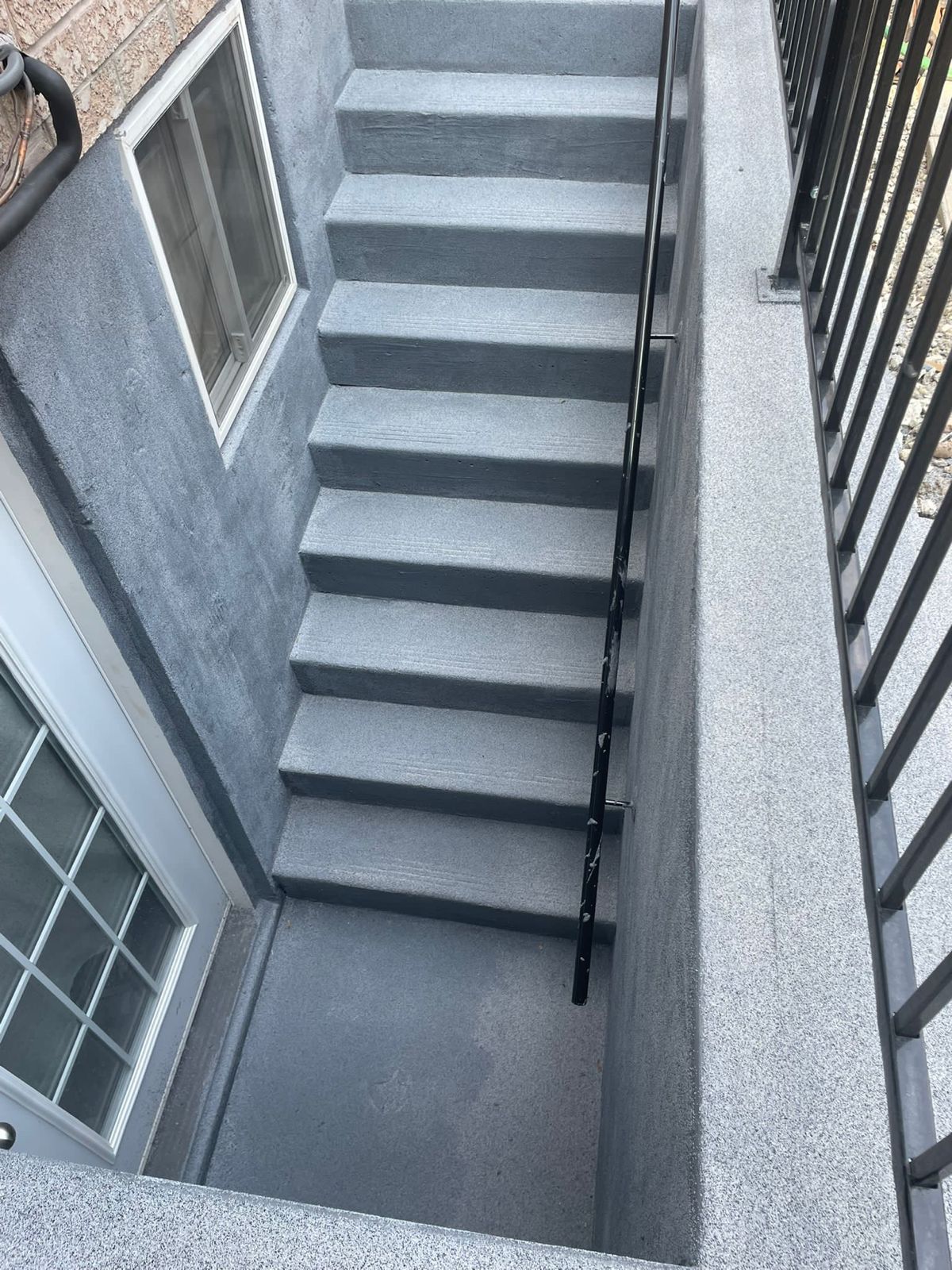
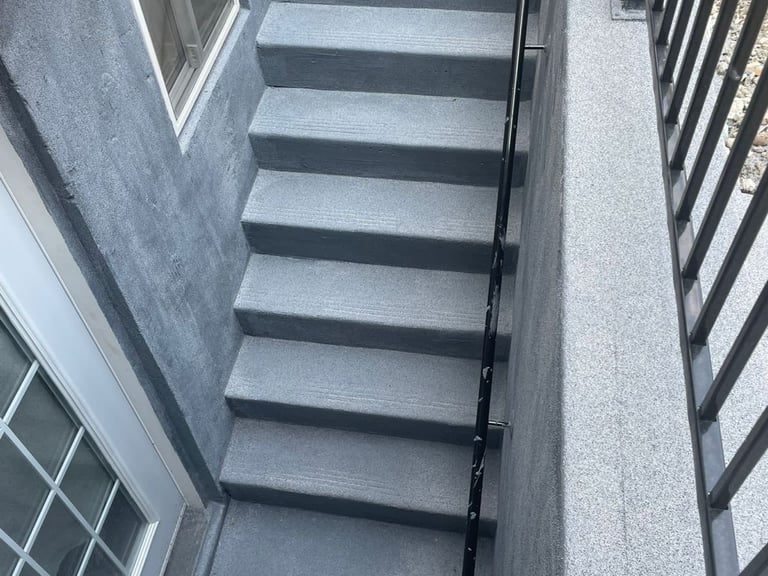
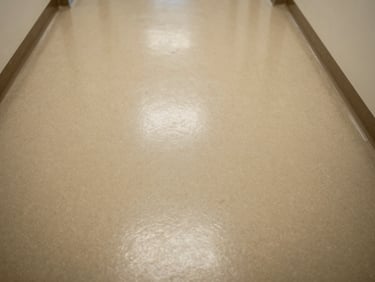
Where quartz outperforms plain epoxy
Wet and chemical environments
Heavy-traffic industrial floors
Regulated and hygiene-critical spaces
Healthcare, laboratories, and clean facilities — quartz is non-porous, easy to sanitize, and holds its integrity through repeated chemical cleaning cycles.
Food processing, commercial kitchens, and chemical storage — quartz holds its surface where standing liquid and cleaning agents are daily conditions.
Warehouses, distribution centres, and manufacturing floors — the aggregate layer absorbs repeated impact and rolling load without surface fracture.
Specify a quartz floor for your facility
Tell us your environment, square footage, and timeline. We assess the substrate first — then build the floor to match the conditions, not just the budget.
Glosstek Epoxy Floors
High-Gloss Impact- Engineered to Last.
Pages
Home
Finishes
Moisture Barrier
Contact
Get a quote
info@glosstekepoxyfloors.com
Glosstekepoxyfloors@gmail.com
+1 647-896-2902, +1 647-333-9163
+1 437-988-3602
Serving all of Ontario
(C) 2026 Glosstek Epoxy Floors-Ontario-based epoxy flooring — done right from the slab up.
Substrate first. No shortcuts.